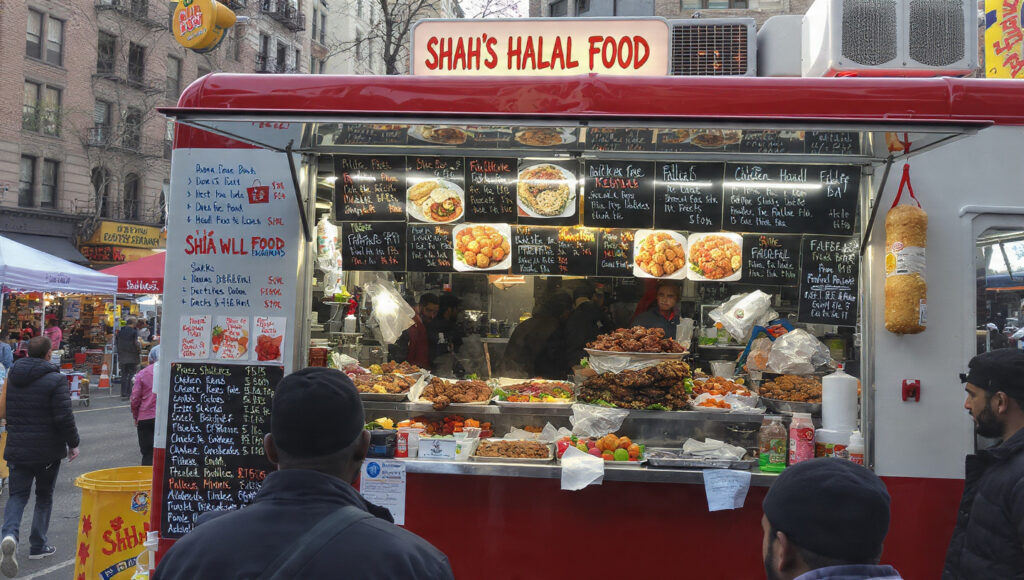
Social media is a great way to get more people to know about your restaurant, keep them coming back, and make more money in today’s digital world. The correct methods may make a huge difference, whether you’re just getting started or want to improve your social media efforts. This post will talk about the best ways for restaurants to use social media to connect with customers, advertise their business, and get more people to come in.
1. Pick the Right Platforms
Before you start making content, you need to figure out which social media sites are appropriate for your restaurant. Some platforms will work better for your restaurant than others, thus not all of them are the same.
Instagram is the best place to show off your restaurant’s food, atmosphere, and events because it focuses on pictures. It’s great for sharing Instagram Stories, high-quality culinary shots, and behind-the-scenes content.
Facebook: Facebook is a terrific way to connect with people who like your restaurant. It lets customers interact with you through comments, reviews, and direct messages. Facebook is also great for launching advertising that are aimed at local customers.
If your restaurant is popular with younger people, TikTok is a great place to make short, fun videos that get a lot of views. You may get people excited by showing off your chef’s skills, how they prepare meals, or how happy customers are.
Twitter: Twitter isn’t as graphic as Instagram, but it’s great for talking to people, conducting promotions, and sharing news with your followers.
Tip: Make sure your material is tailored to the platforms that your target audience uses the most.
2. Make your social media profiles as good as they can be
Your restaurant’s social media profiles are generally the first thing people see when they look for it. Optimizing your profiles is quite important for making a good first impression.
Profile Picture: Use a picture of your restaurant’s emblem or a picture of your food or eatery that stands out as your profile picture.
Bio/Description: Write a short, interesting description of your restaurant that includes important information like its location, type of food, and what makes it special. To make it easier for people to find, include any relevant hashtags.
URL: Make sure your website URL is easy to find in your profile. If you use delivery services like Uber Eats, Grubhub, or DoorDash, put links to them as well.
Contact Information: Always make sure your phone number and email address are up to date so that people can easily make reservations or ask questions.
Tip: Use the same colors, fonts, and logos on all of your platforms to create a strong brand identity.
3. Share interesting, high-quality content
When it comes to social media, content is king. You need to post material that not only promotes your restaurant but also gets people interested in it to stand out from the throng.
Food Photos: You need to have high-quality, mouth-watering pictures of your food. Show off your signature dishes and seasonal specials so that customers may see what they’ll be eating before they come.
Behind the Scenes Content: Show your followers what goes on behind the scenes in your kitchen. Share images or videos of chefs cooking, personnel talking to customers, or any other interesting things that happen in the kitchen.
User-Generated Content: Make a branded hashtag to get consumers to post their own pictures and stories about your business. Share user-generated material on your accounts to show that you are a part of the community and create social proof.
bargains and Promotions: You can use social media to let people know about limited-time offers, happy hour bargains, and discounts. Make sure your posts are interesting enough to get people to come to your business.
Tip: Post regularly, but don’t flood your followers with too much content. A reasonable rule of thumb is to post three to five times a week.
4. Use hashtags the right way
Using hashtags is one of the finest strategies to get more people to see your posts and connect with more people. People looking for food, eating, or restaurant experiences can find your business’s content if you use the proper hashtags.
Location-Based Hashtags: Use hashtags that are specific to your area to reach people who might want to buy from you. #NYCrestaurants or #BestPizzaInLondon are two examples.
Food-Specific Hashtags: Use hashtags that are specific to the food your business serves or popular dishes, like #VeganEats or #SushiLovers.
Trending Hashtags: Check out the hashtags that are currently popular and join in on conversations when you can. This can assist get people more involved and show that your restaurant is relevant in real-time conversations.
Tip: To make your posts easier to find, use a combination of popular and niche hashtags.
5. Talk to Your Audience
It’s not a one-way street; social media is a conversation. Responding to comments, mails, and mentions is a great way to connect with your fans. If you get to know your audience, they’ll keep coming back and tell others about you.
Always respond to comments and reviews in a pleasant and professional way, no matter if they are positive or negative. When you get a bad review, be understanding and promise to fix any problems.
Polls and Q&As: Get your audience involved by using interactive elements like polls, quizzes, and Q&A sessions. Get feedback, hold contests, or just have fun with your audience.
Customer Spotlights: Share photographs and stories of your loyal customers or important events like birthdays and anniversaries on your feed to show them off. This makes people feel like they are part of a community and appreciated.
Tip: To show your followers that you value their interaction, try to respond to comments and messages within 24 hours.
6. Advertise to certain groups
One of the best methods to reach your audience is through social media advertising, which lets you target certain demographics, places, and hobbies.
Facebook and Instagram Ads: These sites have strong ad features that can help you get the word out about your restaurant to people in your area. You may target people based on their age, location, interests, and even what they do, like going out to eat or getting food delivered.
Geotargeting: If you have a physical location, use geotargeting to reach people within a specified distance of your business. Give discounts or other incentives based on where people are to get them to come in.
Promoted Posts: Promote posts that are doing well on their own to get more people to see them and get more people to interact with them.
Set a budget and try out several types of ads to determine which ones your audience responds to the most. To get the best results, do A/B testing.
7. Work with local businesses and influencers
Using influencers to sell your restaurant can help you reach more people. Work with local food bloggers, social media stars, and other people who are interested in your business.
Sponsored Posts: Give influencers free meals or money in exchange for posting about your business on their social media pages.
Work with Local Businesses: Team up with nearby stores, bars, or other eateries to promote each other. You can make transactions together, share each other’s postings, or throw events together.
Tip: Instead of just looking at how many followers an influencer has, look for ones who have real followers and interact with them.
8. Keep an eye on your analytics and change your plan as needed.
It’s crucial to keep an eye on how well your social media plan is working and make changes as needed.
Engagement Metrics: Keep an eye on likes, shares, comments, and click-through rates to see how effectively your posts are connecting with your audience.
Traffic and Sales: Use UTM links to see how social media is bringing people to your website or making sales.
Follower Growth: Keep an eye on how many followers you have over time to evaluate if your social media work is bringing in more people.
Tip: Use what you learn from your statistics to make your content better. For instance, if some kinds of postings do better than others, make more of those kinds of posts.
9. Hold live or virtual events
As virtual experiences become more popular, you may connect with your audience in new ways by organizing live cooking courses, behind-the-scenes tours, or virtual tastings. Think of having a live Q&A with your head chef or a video tour of your restaurant’s kitchen.
Live Cooking Demos: Show how to make your signature dish or new menu items in real time. Answer your followers’ queries while they watch to keep them interested.
Virtual Happy Hour: Hold a virtual happy hour where customers may participate from home, talk to your staff, and find out about special deals.
Tip: Use all of your social media accounts to promote these events ahead of time to get people excited.
Using these social media tips will help your restaurant develop a strong online presence, engage with new and old clients, and bring in more customers and sales. Keep in mind that social media marketing is all about being consistent, creative, and getting others involved. Try out numerous kinds of content and always pay attention to what your audience says.
Start with a few modest things and then build on them as you see what works best for your restaurant. The digital world is full of opportunities for growth, and social media is one of the best places to find them. Your restaurant’s web presence will do well if you do things the right way!