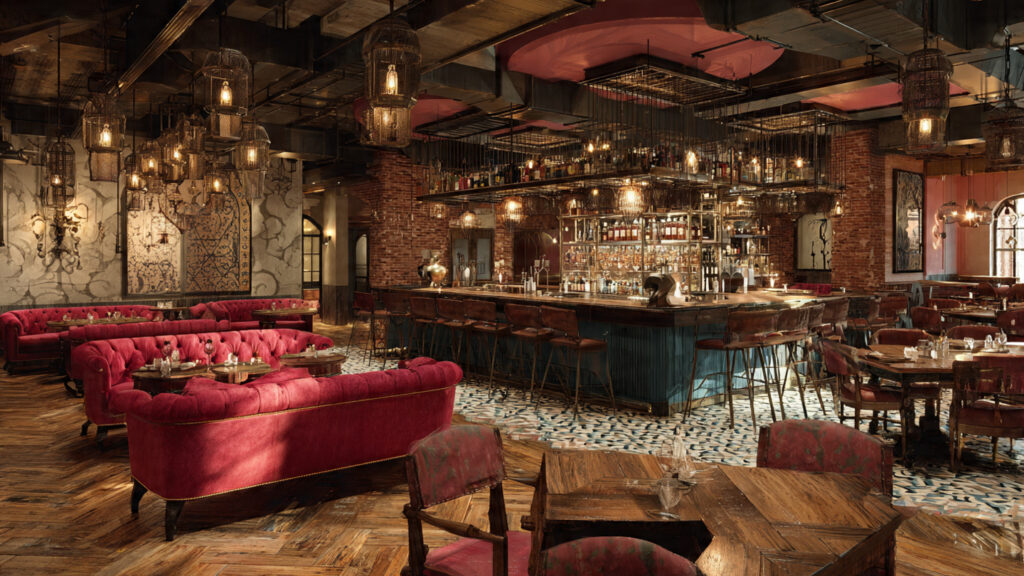
The restaurant business is changing quickly. New trends are always changing the way we eat, whether it’s because of changes in what people want or new technologies. In the next ten years, a number of exciting restaurant ideas are likely to take over the dining landscape. These ideas not only adapt to changing consumer patterns, but they also promote sustainability, new ideas, and one-of-a-kind dining experiences.
If you own a restaurant or want to start one, you need to know about these new restaurant ideas to keep ahead of the game.
Ghost Kitchens: The Growth of Restaurants That Only Deliver
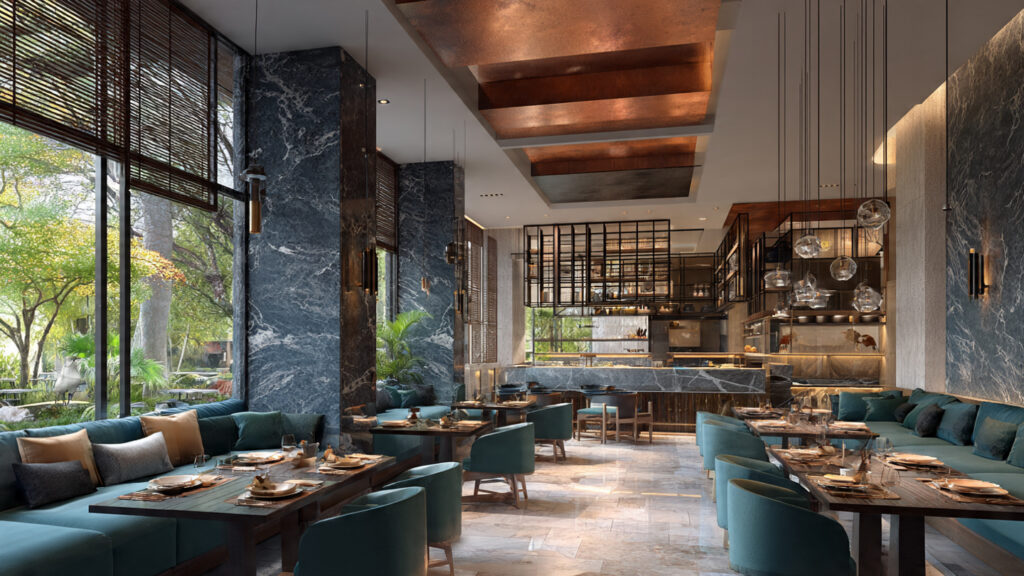
Food delivery services like UberEats, DoorDash, and Grubhub have been quite popular in the last few years. Because of this, the need for ghost kitchens, which are restaurants that solely deliver food, has skyrocketed. These virtual kitchens don’t have a real dining room; instead, they focus on filling internet orders.
Why Ghost Kitchens Will Do Well:
Cost-Effective Model: Traditional restaurants have large fixed costs, like rent, utilities, and staff pay. Ghost kitchens don’t need a real dining room, which helps firms save money on these costs. This makes it easier for restaurant owners to grow their businesses or try out new menu items.
Potential for Growth: Ghost kitchens make it easy to open more than one location. A restaurant can serve clients in multiple neighborhoods or even cities without having to open a full-scale restaurant in each one if it has a central kitchen.
Adapting to Consumer Behavior: More and more people are choosing to eat at home, especially following the COVID-19 epidemic. Delivery-only concepts are becoming a popular method to enjoy restaurant-quality meals. Ghost kitchens can match the increased demand for convenience because they can take and deliver orders through apps.
Future Outlook:
More well-known restaurant groups and even individual cooks will probably use ghost kitchens to serve a wider range of tastes and areas. New technologies like automated cooking and AI-driven delivery optimization will also help ghost kitchens.
Menus with plants and things that last
More people are choosing plant-based diets as they learn more about climate change and how to live in a way that is good for the environment. In the next ten years, the demand for plant-based and eco-friendly menu alternatives is predicted to skyrocket. This is because millennials care about their health and Gen Z cares about the environment.
Why Menus with Plants Are the Future:
Health & Wellness: More and more people are choosing plant-based diets for health reasons. Studies have shown that eating mostly plants can lessen your risk of heart disease, obesity, and other long-term health problems. People who care about their health will be drawn to restaurants that serve healthy, plant-based foods.
Environmental Impact: The food business is one of the biggest sources of greenhouse gases in the world. Restaurants may make a big difference on the environment by using plant-based foods instead of animal-based ones. This fits with what people anticipate from businesses: that they will take care of their environmental impact.
Creative Innovation: Meals made with plants don’t have to be bland or uninteresting anymore. Chefs are trying out new plant-based recipes that taste and feel like old-fashioned meat-based cuisine. With new plant-based food technology, the kitchen can do everything.
Looking Ahead:
Some restaurants will serve only plant-based dishes, while others will provide plant-based options alongside traditional dishes. Restaurants will need to use eco-friendly packaging, get their food from sustainable sources, and follow zero-waste policies.
Plant-based menus, eco-friendly meals, vegan eating, sustainable restaurants, and zero-waste practices are all good keywords for SEO.
Experiential Dining: Ideas that are immersive and interactive
Food isn’t just something to eat anymore; it’s something to experience, especially now that Instagram and TikTok are so popular. People want more than simply food they want a dining experience that they will remember. More and more people are interested in immersive eating experiences that use all five senses.
Why experiential dining will be the best:
Using technology to get people involved: Virtual reality (VR), augmented reality (AR), and projection mapping are all examples of technologies that may make dining more fun. For instance, people may wear AR glasses to see their food come to life or watch a 3D projection that narrates the tale of each meal.
Appeal on Social Media: Experiential dining ideas provide guests the chance to post about their experiences on social media. These ideas are perfect for Instagram and other social media sites, whether it’s a food that looks amazing, a restaurant with a unique design, or an unusual interactive experience. More people are likely to share restaurants that enable this kind of interaction.
Personalization and storytelling: People want to feel emotionally attached to their food. Experiential dining is all about conveying stories. Restaurants do this by connecting the meal to the environment or the chef’s own life story. Customization will also be very important, since diners will be able to make their meals just the way they like them.
What to expect in the future:
More and more restaurants will provide interactive experiences, like meals that involve all five senses, pop-up themed dining events, and menus that use augmented reality. As technology becomes easier to get to, immersive dining will probably spread from fancy restaurants to regular ones.
Keywords for SEO: experiential dining, immersive dining, interactive restaurants, augmented reality dining, food that looks good on Instagram, and tech-driven dining experiences
Fast-casual restaurants that focus on health
As people keep putting health first, the need for fast-casual restaurants that deliver healthy, fresh, and customizable meals will only grow. These places don’t serve standard fast food; instead, they focus on making balanced meals that meet specific health and dietary demands.
Why health-focused fast-casual ideas will do well:
No Compromise on Convenience: People today don’t want to have to pick between health and convenience. Fast-casual eateries that serve quick but healthy meals are in a good position to address this need. Think of salads, grain bowls, smoothie bowls, and wraps that you can make your own. All of these are full of fresh, healthy foods.
Dietary Inclusivity: Fast-casual restaurants are growing increasingly open to different dietary needs, whether they are gluten-free, keto, paleo, or low-carb. This helps meet the needs of a larger spectrum of customers, from those with food sensitivities to those who are on specific diets.
Clean Eating and Transparency: More and more people want to know where their food comes from and how it is made. Fast-casual restaurants that emphasize on health will do well if they are open about where their food comes from, how it is made, and how healthy it is. These places will start to provide clean eating, which is whole meals that have been minimally processed.
What to expect in the future:
The trend of fast-casual restaurants that focus on health will keep changing. You should expect to see new chains that focus on hyper-local foods, farm-to-table methods, and more plant-based options. Technology will also help by giving customers information about the food they eat and letting them keep track of the calories and macros in their meals.
Global Fusion and Regional Specialties
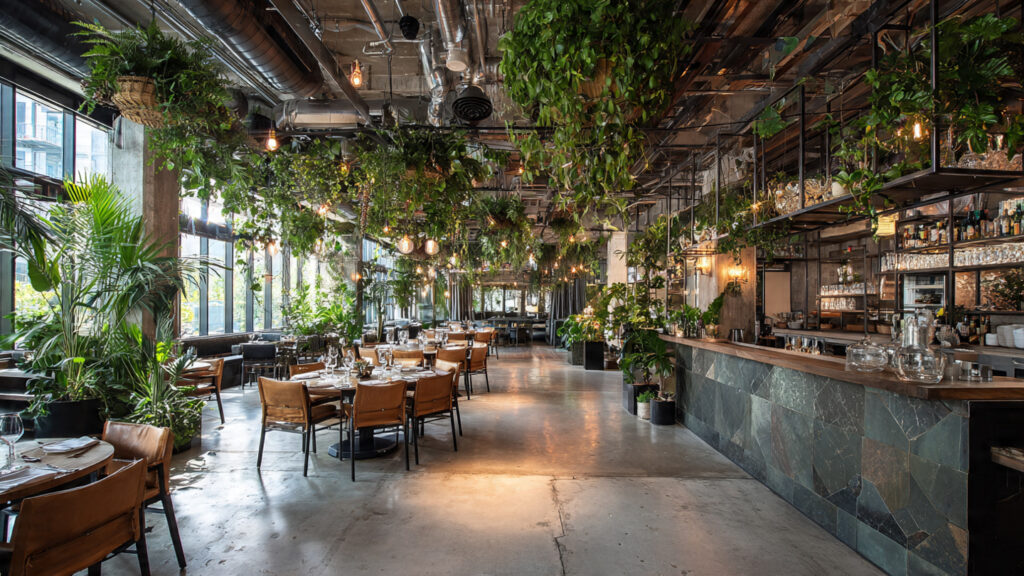
As the world gets more linked, people who eat out want to try new and interesting flavors from other countries. Global fusion restaurants that mix cooking styles from different parts of the world will still be the most popular places to eat. Regional specialties and local culinary trends will also have a huge impact on the restaurant scene.
Why Global Fusion and Regional Specialties Will Win:
Different Tastes: Multiculturalism and global travel have made individuals more open to trying new foods. Customers want to experience fresh and interesting flavor combinations that mix the best parts of different cuisines. For example, fusion cuisines that combine Asian and Latin American foods make for fascinating meals.
Hyper-Local and Real: At the same time, more and more people are interested in real regional foods. People who eat out want to try foods from different corners of the world that aren’t as well known. Regional restaurants that focus on lesser-known cuisines will do well by serving real, high-quality food.
Using Local Ingredients: Global fusion restaurants will also focus on using ingredients that are grown or made in the area. This lets chefs show off the best of local foods while also adding new flavors from throughout the world.
What to Expect in the Future:
More restaurants will try to incorporate global cuisines to their menus while still staying true to their local roots in the next ten years. The growing availability of global ingredients will also help this trend. Chefs will be able to try out new combinations and see how far they can go in the kitchen.
The restaurant business will alter a lot in the next ten years. The future of food is fascinating, varied, and full of possibilities. It includes ghost kitchens, plant-based menus, and immersive eating experiences. In this constantly changing world, restaurant owners that embrace these trends and change with the times will not only survive but also do well.