The restaurant business in the US is going through an interesting change right now. The world is changing quickly in 2026, from new technologies to shifting tastes of consumers. Restaurants are now confronting new chances and problems that are changing how they do business and talk to consumers after getting through the hard times of the pandemic. Here are the main themes that will shape the future of dining in the US, whether you work in a restaurant or just love food.
Changing Consumer Behavior: Value and Experience Are More Important Than Price
As the economy changes, people are becoming more aware of prices without giving up on the full dining experience. Diners in 2026 want more from their restaurant trips than just cheap pricing. They want things that are high quality, new, and easy to use.
Eating for health: Trends in health and wellness are having a big effect on how menus are made. People are more aware of what they eat now, from plant-based options to low-calorie meals. Because of this, eateries are adding these healthier options to their menus to draw in those who care about their health.
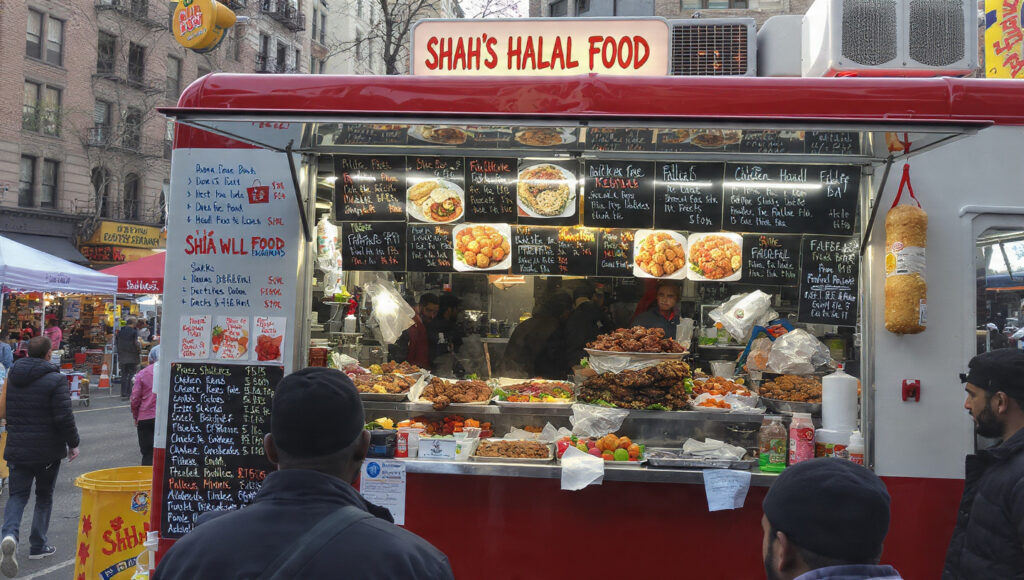
Dining Outside the Home: The epidemic made it evident that dining outside the home, such takeout, curbside pickup, and delivery, is no longer a niche. Many restaurants now use hybrid models that let them serve customers both on-site and through delivery apps or their own systems. This will be the case in 2026.
Ethics and sustainability: People who eat out today concern more about the ethical and environmental elements of the food they eat. Customers who care about the environment are becoming more loyal to restaurants that focus on sustainability, such as getting their food from local sources and cutting down on waste.
The Rise of Technology: AI, automation, and digital menus
The restaurant business is still changing thanks to technology. In 2026, restaurants will depend increasingly on digital tools to make their businesses run more smoothly, improve the customer experience, and make more money.
AI and Data-Driven Decisions: AI is being used to guess what customers want, make the best use of inventories, and predict sales. Restaurants can now better manage their workers, cut down on food waste, and give their guests more personalized dining experiences.
Automated Kitchens: Because there aren’t enough workers in the restaurant industry, automation has stepped in to fill the gap. In many modern kitchens, robotic cooking helpers and smart kitchen gadgets are now ubiquitous. These tools cut down on the need for people to do the same activities over and over again. This not only makes things go more smoothly, but it also makes the cuisine more consistent and better.
Digital Ordering Systems: The move to online ordering and digital payment choices is greater than ever. Restaurants are using digital menus and self-ordering kiosks, which let customers place their orders without having to contact with anybody else. This makes the service safer and more efficient.
New menu items: a mix of old and new
In 2026, the way we think about restaurant menus will change. People don’t just want traditional foods anymore; they want imaginative, globally inspired, and occasionally strange menu items that provide them a one-of-a-kind eating experience.
Fusion Cuisine: The desire for fusion cuisine keeps going up. These are dishes that mix flavors from different parts of the world. Korean tacos and sushi burritos are examples of daring taste combinations that show how food is becoming more global.
Plant-Based Menus: More restaurants are now offering full vegan or vegetarian menus as more people want to consume plants. There are more and more options for people with different dietary needs, such plant-based seafood or a burger without meat.
Customization is important: People who eat out these days want greater say over their meals. People love being able to customize their meals, and this trend doesn’t seem to be going away anytime soon. Build-your-own bowls, customisable pizzas, and salads are all examples of this.
Experiential Dining: More Than Just a Meal
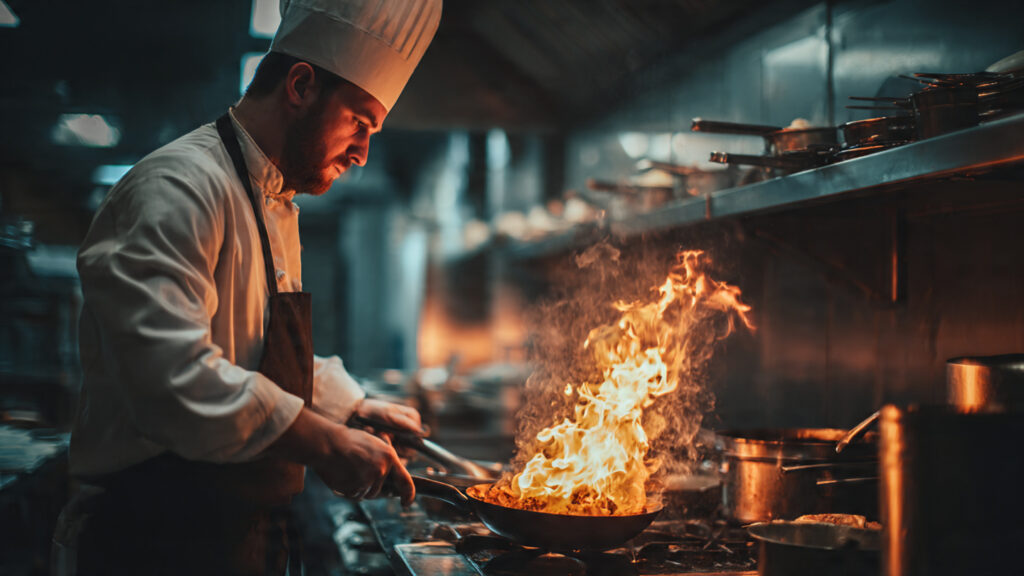
In 2026, restaurants are more focused on giving customers experiences that go beyond just food. People want dining experiences that involve all of their senses.
Interactive eating is becoming more popular. It includes things like cooking your own food and having chefs prepare in front of diners. A lot of restaurants are offering cooking workshops, wine-pairing dinners, and chef’s tasting menus that make people think more about the cuisine.
Themed dining and ambiance: The environment in restaurants is more important than ever. Restaurants are putting money into their interiors to make them look good on Instagram and encourage consumers to post about their experiences online. Restaurants with themes, like those that include live performances or tales that you can get into, are likewise becoming more popular.
Social Media Savvy: These days, social media is a big part of marketing, so restaurants are making sure their food looks great and their experiences are one-of-a-kind so that consumers will want to take pictures and post them online. This not only gets people more involved, but it also serves as free advertisement for the firm.
Labor and the Workforce: Changes to a Changing Landscape
The lack of workers is still one of the greatest problems that restaurants face. The sector is booming, but it’s also changing how it hires, trains, and keeps workers.
Higher Pay and Benefits: Many restaurants are raising pay and offering greater benefits to keep employees from leaving and attract new ones. This includes health insurance, paid time off, and more flexible hours, which make restaurant jobs more enticing and long-lasting.
Training and Development: More restaurants are putting money into programs that train employees, help them move up in their careers, and help them become leaders. A team that is well-trained not only makes the customer experience better, but it also makes the business run more smoothly.
Technology to Make Work Easier: Restaurants are using automation and AI to find methods to rely less on human workers for repetitive chores. This can help staff relax and let them focus on customer service and more important jobs.
Sustainability: A Better Future
Sustainability isn’t just a fad; it’s becoming a must-have for restaurants. Customers want restaurants to be more environmentally friendly, therefore they are working hard to lower their impact on the environment.
Waste Reduction: Restaurants are putting greater effort into cutting down on food waste by managing their stock better and coming up with new ways to use leftovers. Many are also working with local groups to give away extra food.
Eco-Friendly Packaging: The whole industry is moving toward more eco-friendly packaging, like biodegradable containers and compostable cutlery, as part of a bigger push to cut down on plastic waste.
Locally Sourced Ingredients: More and more restaurants are getting their ingredients from nearby farms to lower their carbon footprint, help local farmers, and give consumers fresher, better-tasting food.
Economic Pressures and How to Deal with Them
The restaurant business is changing, but it also has to deal with a lot of problems, such as increased food prices, inflation, and rent rises. Restaurants are changing to stay in business and grow in this competitive market by discovering new ways to make money and cutting costs.
Ghost Kitchens and Delivery Models: As delivery services have become more popular, ghost kitchens (sometimes called cloud kitchens) have become a popular technique for restaurants to cut costs. These kitchens don’t have a real store; they only take orders and deliver them online.
Dual-Brand Concepts: Some restaurants are putting together different types of dining experiences in one place to make more money. Restaurants can get more customers and make more money by offering different sorts of food or service styles, such as casual dining and fast-casual.
Menu Engineering: Many restaurants are utilizing menu engineering to make sure that high-margin items are promoted and that their menu represents what people want right now. This is because food costs are going up.
what will restaurants be like in 2026?
The restaurant business in the US is changing quickly because of new technologies, changing customer habits, and a growing focus on sustainability. In the ever-changing world of 2026, restaurants that can adapt to these changes by adopting new ideas, putting customer experiences first, and staying ahead of trends will do well. The future of dining is bright, and those who are open to change will be the ones who define it, whether it’s through new technology, imaginative menus, or eco-friendly methods.